
 Written by
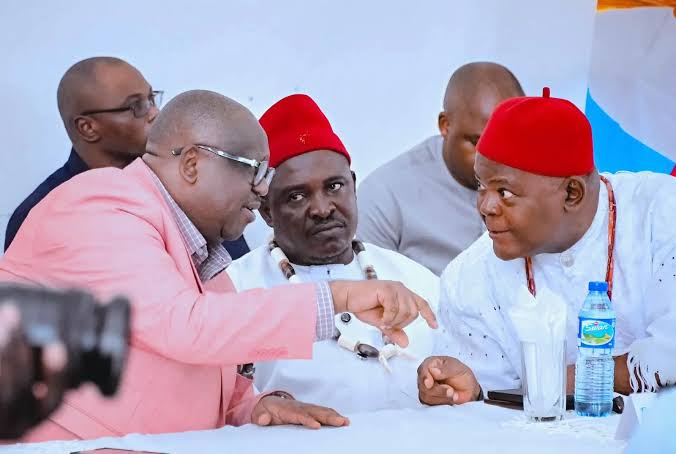
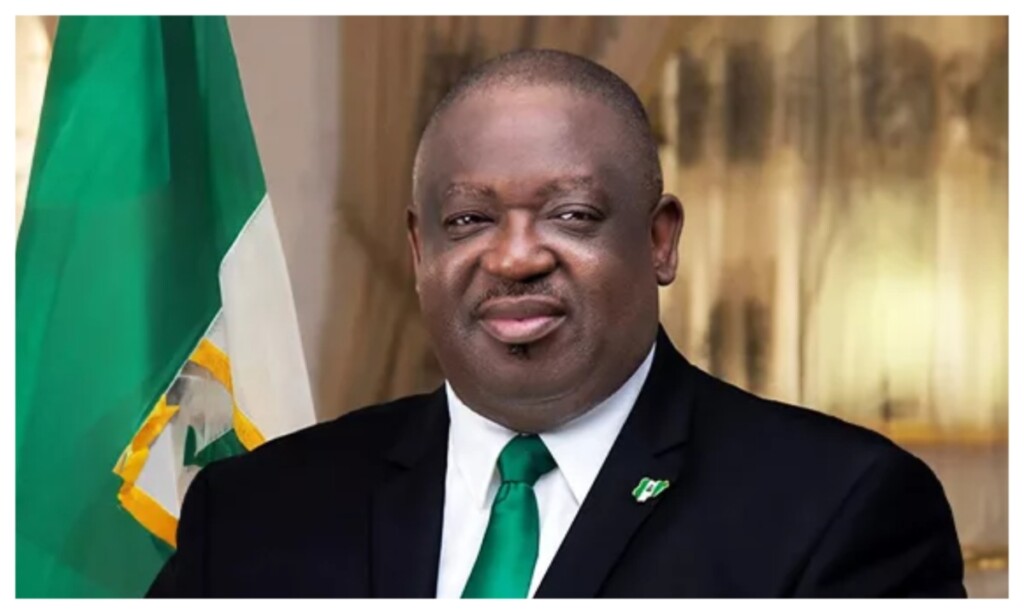
Plateau State Governor Caleb Mutfwang apologized to the Igbo community because he believes the people of Plateau State were “deceived and misled” into fighting against them during the Nigerian Civil War (1967–1970). He delivered the historic apology at the Government House in Jos during an interactive meeting with Igbo leaders representing all 17 local government areas of the state. The core reasons and context behind his apology include:
Historical Misdirection

Governor Mutfwang stated that citizens of the state were manipulated into the conflict by the military administration of General Yakubu Gowon—a Plateau State native who served as Nigeria’s Head of State during the war.
Healing Old Wounds
The governor expressed deep regret over the state’s historical actions, calling for both sides to officially close that painful chapter to heal generations of lingering trauma.Fostering Unity: He emphasized the need to build a future anchored on peace, mutual respect, and long-term solidarity, describing the Igbo and Plateau peoples as “one family” today.
Economic Recognition
Mutfwang highly commended the Igbo community for their vital socio-economic contributions, identifying them as indispensable partners in Plateau State’s modern growth and commercial prosperity.
Historic Background
During the Nigerian Civil War (1967–1970), the geographical area now known as Plateau State was a central pillars of the Federal Government’s war effort against Biafra. This deep involvement was driven by geopolitical restructuring, military leadership, and local mobilization.
1. The Leadership of General Yakubu Gowon as Head of State
General Yakubu Gowon, a native of Plateau State (from the Ngas ethnic group), served as Nigeria’s military Head of State during the war.War Strategy: Gowon directed the entire federal military campaign from Lagos, putting Plateau-born leadership at the forefront of the conflict.
2. Geopolitical Alignment (Benue-Plateau State)State Creation
In May 1967, just before the war erupted, Gowon’s administration dissolved the old regional system and created 12 new states.The Middle Belt Block: The Plateau Province was merged with the Benue Province to form Benue-Plateau State, with its capital in Jos.Administrative Support: Under the leadership of Military Governor Joseph Gomwalk (a police commissioner from Plateau), the newly formed state served as a massive administrative and logistical hub backing the federal military forces.
3. Troop Mobilization and Military Enlistment Manpower
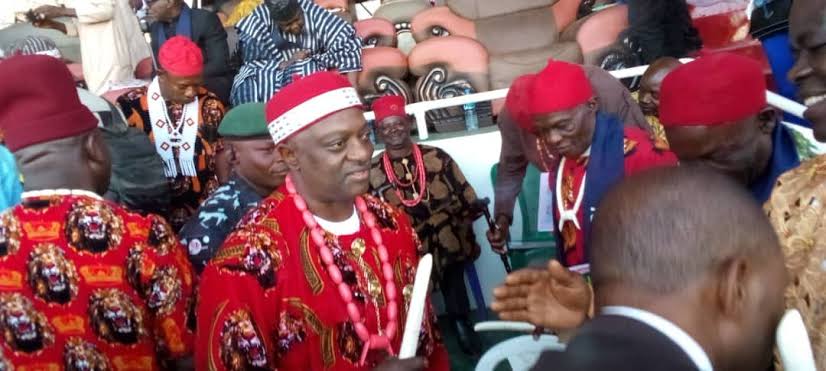
The Middle Belt, including Plateau, historically served as the primary recruitment ground for the Nigerian Armed Forces.Combat Roles: Thousands of young men from Plateau’s indigenous ethnic groups were heavily recruited into the Nigerian Army to fight on the frontlines against Biafran forces.
4. Post-War Consequences and Property Seizures Displacement
Before and during the war, thousands of Igbo civilians who lived, worked, or traded in Jos and surrounding mining communities fled back to the eastern region for safety.
5. Abandoned Properties:
Following the war, many properties, businesses, and lands left behind by the fleeing Igbo population were seized or reallocated. This issue of uncompensated property remains a point of historical grievance that the current administration is addressing.

This is in my strongest opinion what is required to stop the insecurity and to heal Nigeria.